From the History of Digital Signage: The Legendary Times Square Zipper Sign
How a 380-foot electromechanical display delivered real-time information to millions long before the digital age.
Long before LED video walls, cloud-based content management systems, and high-speed Internet connections, New York City was home to one of the most remarkable display technologies ever built: the Times Square Zipper Sign.
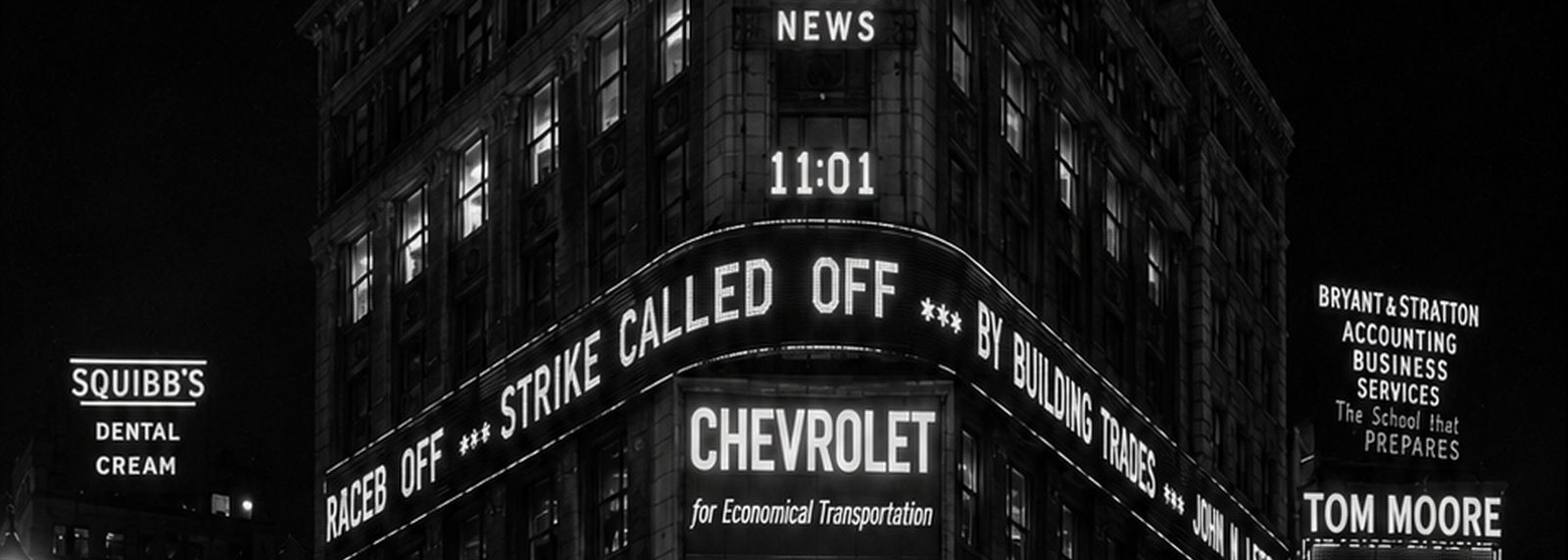
Unveiled in 1928 at One Times Square, the famous Zipper quickly became one of the world’s most recognizable scrolling displays. For decades, it delivered breaking news, election results, sports scores, and major announcements to millions of people passing through Times Square.
What made it extraordinary was not only its visibility, but the technology behind it.
An Engineering Marvel of Its Time
The original Zipper Sign stretched approximately 380 feet around the building at One Times Square. Unlike modern LED displays, it was entirely electromechanical.
Behind the scenes was a dedicated control room filled with equipment that would seem almost unbelievable by today’s standards:
- Massive power transformers
- A metal chain conveyor system
- Approximately 14,800 incandescent bulbs
- Nearly 39,000 electrical brushes and contacts
- Trained operators responsible for preparing and running messages
The display worked by using a moving chain mechanism carrying coded patterns. As the chain moved, electrical contacts activated specific bulbs, creating scrolling characters that could be read from the street below.
The result was a continuous stream of real-time information displayed across Times Square, decades before the digital age.
Why the Zipper Sign Was Important
The Zipper was much more than advertising.
It became one of the first large-scale public information displays, providing real-time content to a mass audience. Long before smartphones and social media, people gathered in Times Square to read breaking news as it appeared on the sign.
Its influence can still be seen today in modern digital signage systems around the world.
The core idea was simple:
High impact. Low pixel count. Real-time content.
That principle remains just as relevant today as it was nearly 100 years ago.
Recreating the Concept Today
While the technology has changed dramatically, the concept behind the Zipper Sign remains remarkably easy to reproduce.
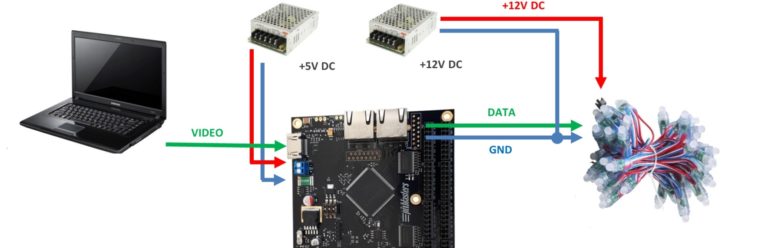
A modern version can be built using just a few components:
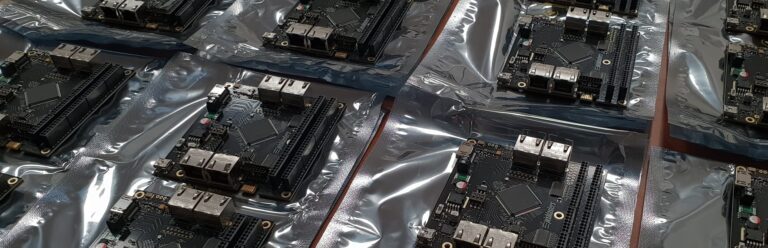
- A Pixblasters MINI LED controller
- A computer connected to the Internet
- A power supply
- lots of addressable RGB LED (strips or panels)
Instead of mechanical chains, electrical brushes, and thousands of incandescent lamps, content is generated digitally and transmitted directly to LED pixels.
Messages can be updated instantly from anywhere in the world. Live data feeds, news, social media updates, scores, weather information, and custom content can all be displayed in real time.
What once required an entire control room, specialized operators, and thousands of moving parts can now fit inside a compact LED controller like the Pixblasters MINI Video LED Controller.
Discover more LED display projects and control solutions at Pixblasters.